How Robotics Can Shape the Next Generation
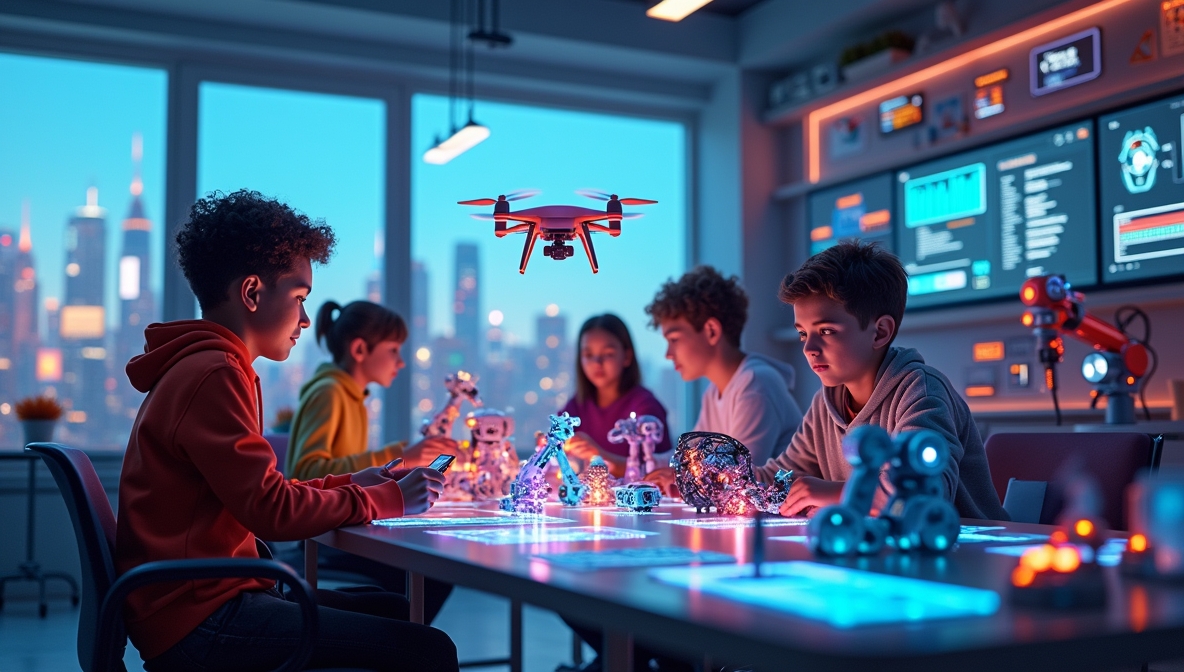
In a world that's evolving at the speed of innovation, one field stands out as a transformative force for the future Robotics. No longer confined to factories or research labs, robotics is rapidly becoming a core part of our daily lives, influencing industries from healthcare to agriculture. But beyond its industrial utility, robotics holds a far greater potential — shaping the minds and future of the next generation.
🚀 A Gateway to 21st Century Skills
Robotics is more than building machines — it's about building minds that solve problems. When children and youth engage in robotics, they learn essential 21st-century skills such as:
These are not just engineering skills — they are life skills. Whether a student becomes an engineer, doctor, artist, or entrepreneur, the mindset developed through robotics is universally empowering.
🧠 Hands-on Learning That Sticks
Unlike passive textbook learning, robotics provides a hands-on, experiential learning environment. Students don't just learn theory — they apply it. From designing circuits to programming logic, robotics brings abstract STEM concepts to life in a tangible and exciting way.
This approach fosters deep understanding, longer retention, and above all, curiosity. And curiosity is the spark that ignites a lifelong passion for learning..
🌍 Empowering Young Changemakers
Imagine a teenager building a robot that can detect forest fires, or a school kid designing a solution to help people with disabilities. These are not dreams — they are already happening..
Robotics empowers young people to not just consume technology but to create it. It gives them the tools to identify problems in their communities and the courage to tackle them head-on — a powerful recipe for real-world impact.
🧑💻 Fostering Inclusion and Diversity in Tech
Robotics is a uniquely inclusive field. It appeals to a wide range of interests — mechanics, electronics, design, coding, storytelling, and strategy. This diversity makes it a perfect platform to engage girls, underrepresented communities, and neurodiverse students who may not always feel seen in traditional STEM spaces.
By fostering an inclusive robotics culture early on, we can build a more diverse, equitable tech industry tomorrow.
🌐 Preparing for the Jobs of the Future
According to the World Economic Forum, 65% of children entering primary school today will work in jobs that don't yet exist. Robotics and automation are at the center of this transformation.
By introducing robotics at an early age, we prepare students not just for future jobs, but for a future where adapting to technology is a necessity. It equips them with a mindset of lifelong learning — the most valuable asset in an uncertain world.
💡 Final Thoughts
Robotics is not just a tool; it's a bridge to the future. It’s how we spark the curiosity of a child today and turn them into the innovators, engineers, and leaders of tomorrow.
Whether in classrooms, homes, or community centers, investing in robotics education means investing in the potential of the next generation. Let’s empower them not just to use technology — but to shape it.
Are you ready to be part of this revolution? Whether you're a parent, educator, or student — now is the time to explore the world of robotics. The future starts with a single line of code, a creative idea, and a mind ready to imagine what's possible.
 ← Back to Blogs